
Another guest blog this week, this time by health, wellbeing and strength training expert, Hugh Wallace, contributing to this ongoing forum addressing the subject of fear in the great outdoors environment. Hugh’s biography follows:
‘Born & lived most of my life as a Scot in Scotland but raised for a few years in New Zealand which gives a different perspective on life. Lover of Scotland’s mountains, seas & wild places. I have seen enough of the world to really appreciate what we have at home: the grass is not always greener. 30 years of martial arts & self-defence. Served briefly in the army, police & ambulance service & longer as a ship’s engineer in the North Sea. Always learning. Now a personal trainer focusing on health & wellbeing through strength. Mainly a road & gravel cyclist these days.’
I hope that Hugh will accept the compliment when I describe him as the person who always wants to find what’s absolutely the very best for whoever he knows, be that in a professional capacity or otherwise – there are no half measures with Hugh! He’s brilliant at finding solutions, offering alternative viewpoints and his discussions are always thought provoking. I am delighted to host his article here. You can find him at: @strengthforhealth and @stravaiging_cyclist.
Fear and danger have fascinated me for as long as I can remember. I have never been one to enjoy being scared (no horror movies for me, thank you very much) and much of my childhood involved me feeling inhibited by fear when my peers were jumping into things head first, apparently without any sense of self preservation. Yet my working life has involved me in professions which have taken me into hostile conditions with sometimes hostile people. Understanding and managing fear is a professional skill that I had to master – though one I learned about by myself because it was not actively taught by any of my employers – and it has remained a lifelong topic of interest even if I live a pretty safe and boring existence now (though my current job involves me coaching others through some specific tasks that scare them).
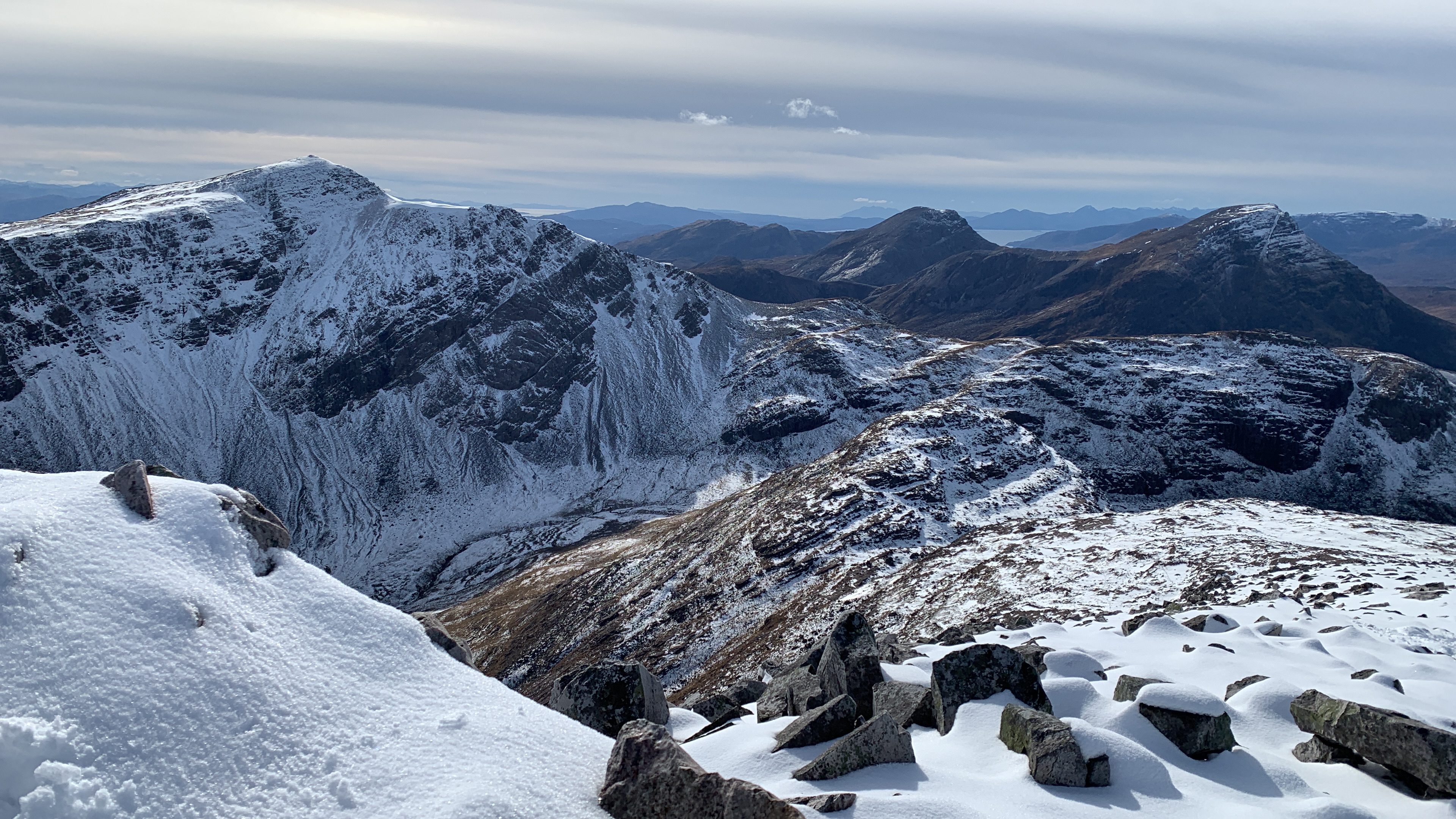
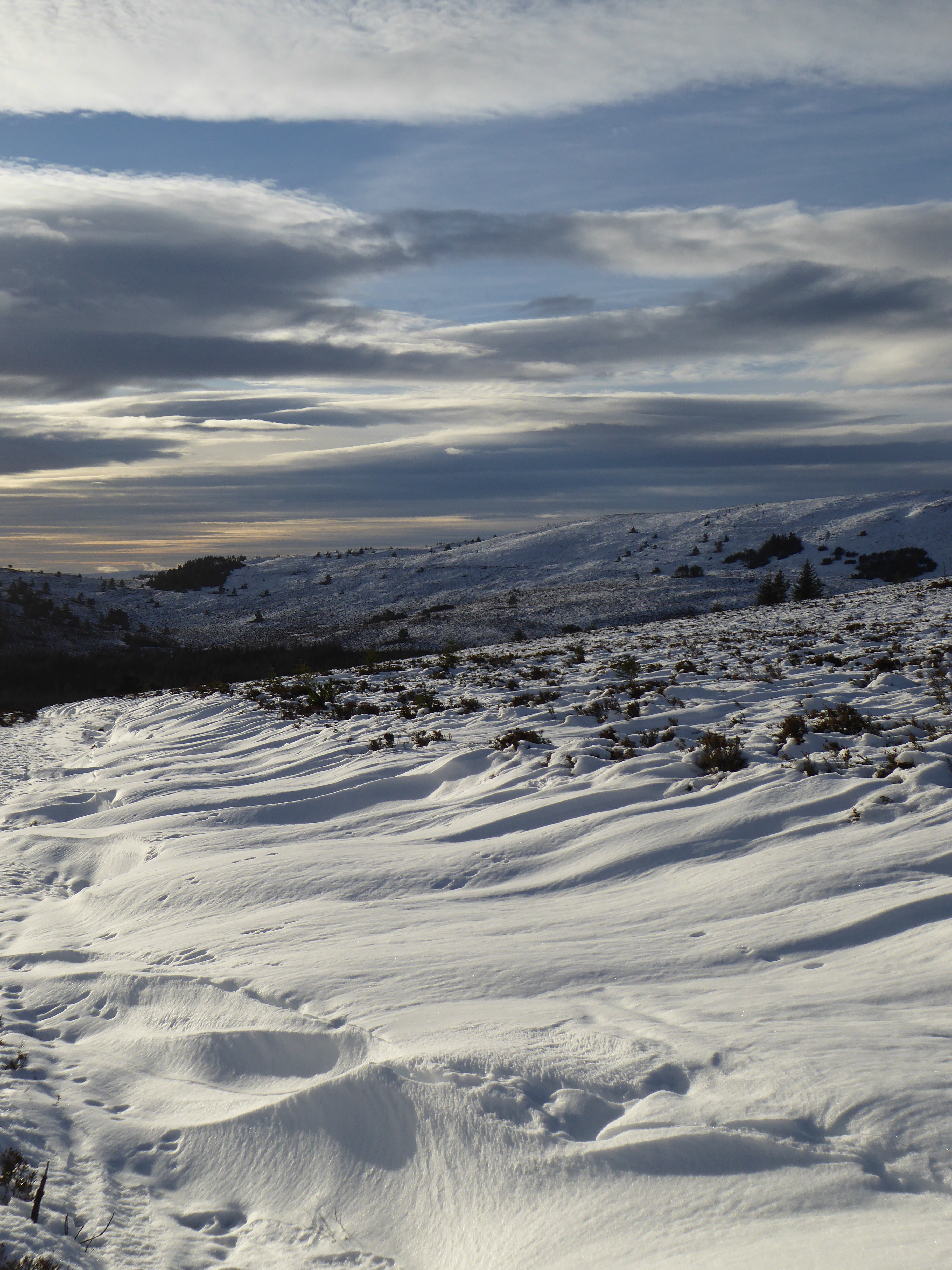
The mountains of Scotland have always played a part in my life. Both my parents were keen year-round hill walkers and my dad was an enthusiastic climber. I summited my first winter Munro before I could walk and mountaineering has been a constant presence (if not always a regular activity) for 50 years now. My dad was a member of the Skye Mountain Rescue Team in the late 70s/early 80s so my earliest memories include him going out on rescues but the more overwhelming memories are the sheer terror I used to experience when the RAF Sea King and Wessex helicopters landed in the field between our house and the hospital. As a young child the noise and wind from a gigantic helicopter landing nearby was very scary indeed. I have a vivid memory of being stuck outdoors in my dressing gown when a helicopter came into land and being unable to get back into the house because the door was locked. I was absolutely terrified yet I was in no real danger at all. [Rather interestingly, I remember this as an out-of-body view of me watching myself pounding on the door rather than as a first-person experience of doing so.]
And that is the point I want to make here: there is a considerable difference between exposure to danger and the feeling of fear. One can be scared witless by their imagination or feel no fear at all when their life faces immediate threat. Understanding the relationship that fear and danger have in your life is one of the key steps to dealing with it and keeping yourself safe.
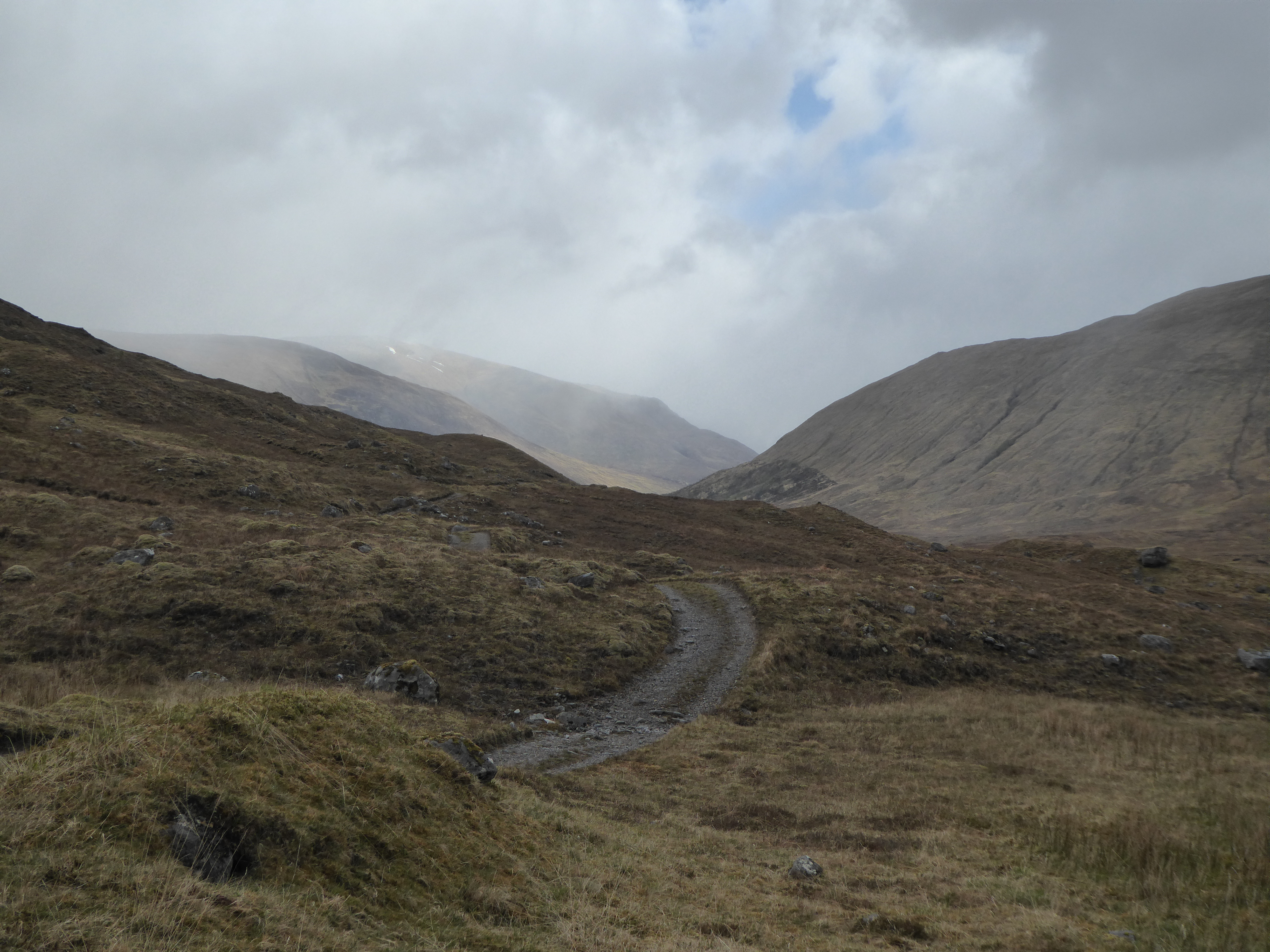
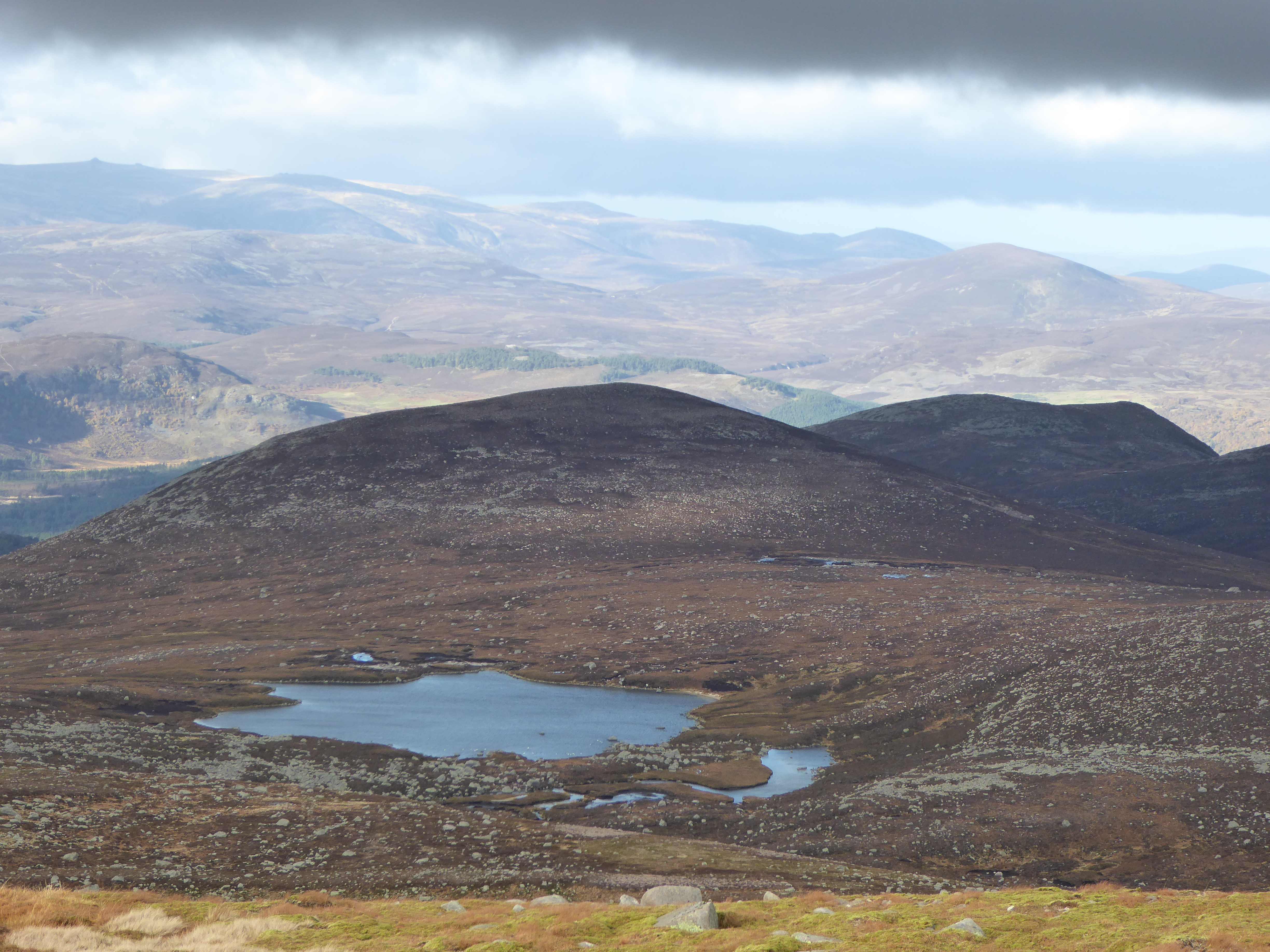
Those of us who spend time in wild places will be all too familiar with people telling us we are crazy for exposing ourselves to the dangers of the mountains. Some will tell us we are irresponsible and others will go as far as saying people should be banned from the hills! Yet these same people will think nothing of getting into a car and driving (or being driven) somewhere without giving the very real dangers of motoring a moment’s consideration. I remember being told in my early days as a Police Constable that we needed to keep the dangers of our new career in perspective because while police officers are sometimes required to face genuinely dangerous situations the reality is that the overwhelming majority of the job is quite safe and the most dangerous thing we all faced was driving home after a night shift. I can attest to that through personal experience; the worst driving errors I have ever made have not been while driving somewhere at high speed under blue lights but on my way home after 12-14 hours night shifts. Sleep deprivation is as bad as alcohol for degrading driving ability and far too many nurses, doctors, paramedics and police officers have been involved in serious and fatal collisions while driving home. Fortunately I managed to get away with all my silly mistakes without it costing anyone their life or limb but this situation illustrates how our society may talk about keeping workers in various professions safe (such as zero tolerance policies for violence against hospital staff) but neglect to mitigate the gravest dangers they face by insisting on a one-size-fits-all 12 hour night shift policy. But I digress…
Jasmin has already written extensively about various ways we have for tackling the fears we feel and I hope I can add some useful ideas to the already good suggestions. I don’t claim to have answers as such, just observations and personal experiences that you might be able to learn from in your own journey and exploration of places wild and high.
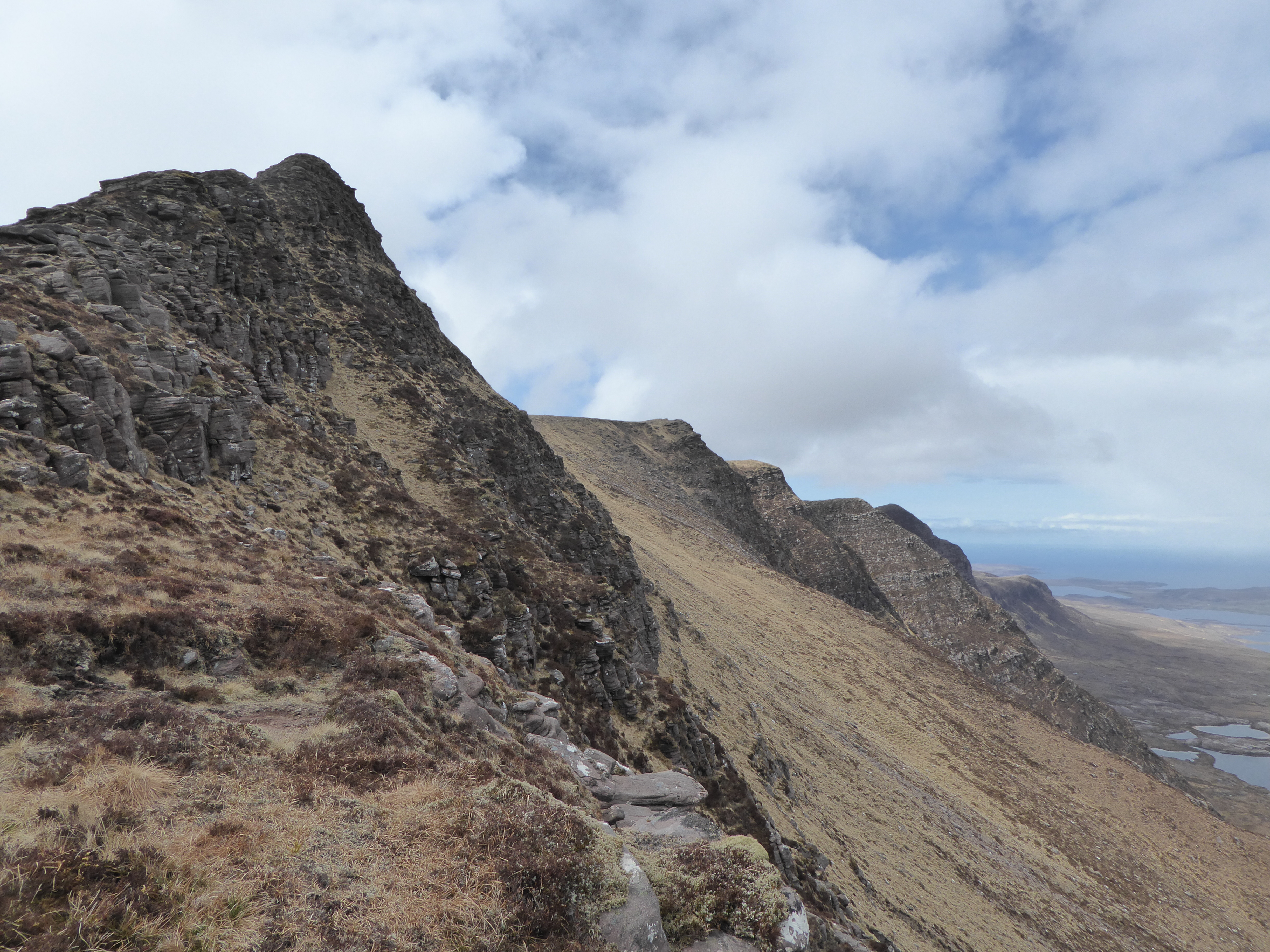
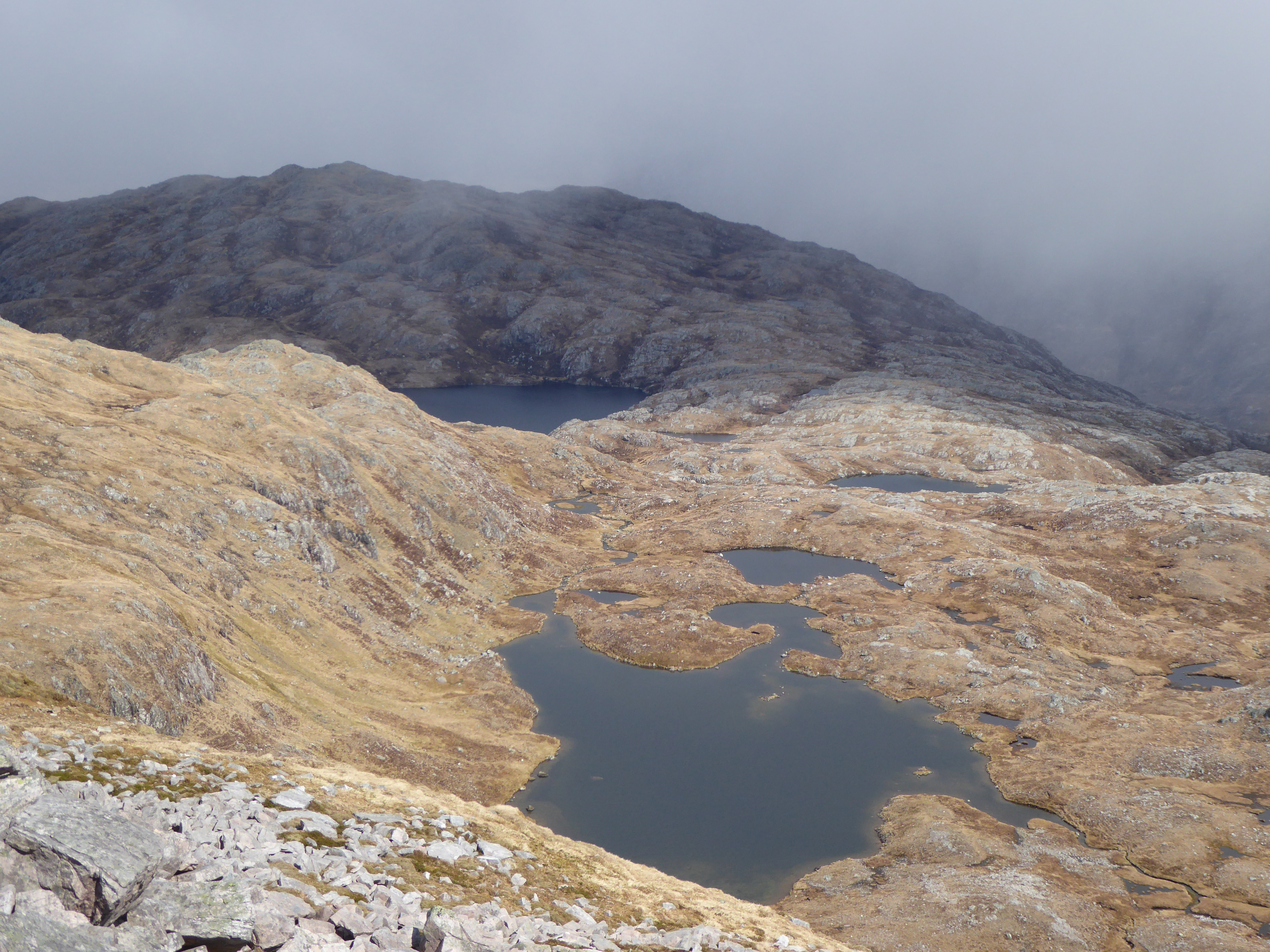
My approach to life – especially challenges – is to try to understand the situation as completely as I can. Knowledge is power because knowledge leads to understanding. The more things I understand the better able I am to deal with new problems as they arise so knowledge acquisition is about breadth as well as depth. But it is not an entirely linear process because repeated experiences (particularly if they are different from previous ones) re-inform what I believe I know and influence the way I will deal with a future problem so learning is a continuous process of looping back over the same material with a new – better informed, one hopes – perspective. Ultimately I am hoping to find one way that works in every situation of a particular type without me making the error of trying to make every situation conform to the solution I believe I have developed (this latter approach is incredibly common in all walks of like). This requires me to be able to properly observe and analyse a situation and not jump to a conclusion too soon and to be honest with myself when looking back on an incident or event and accurately recognise what went well and what did not.
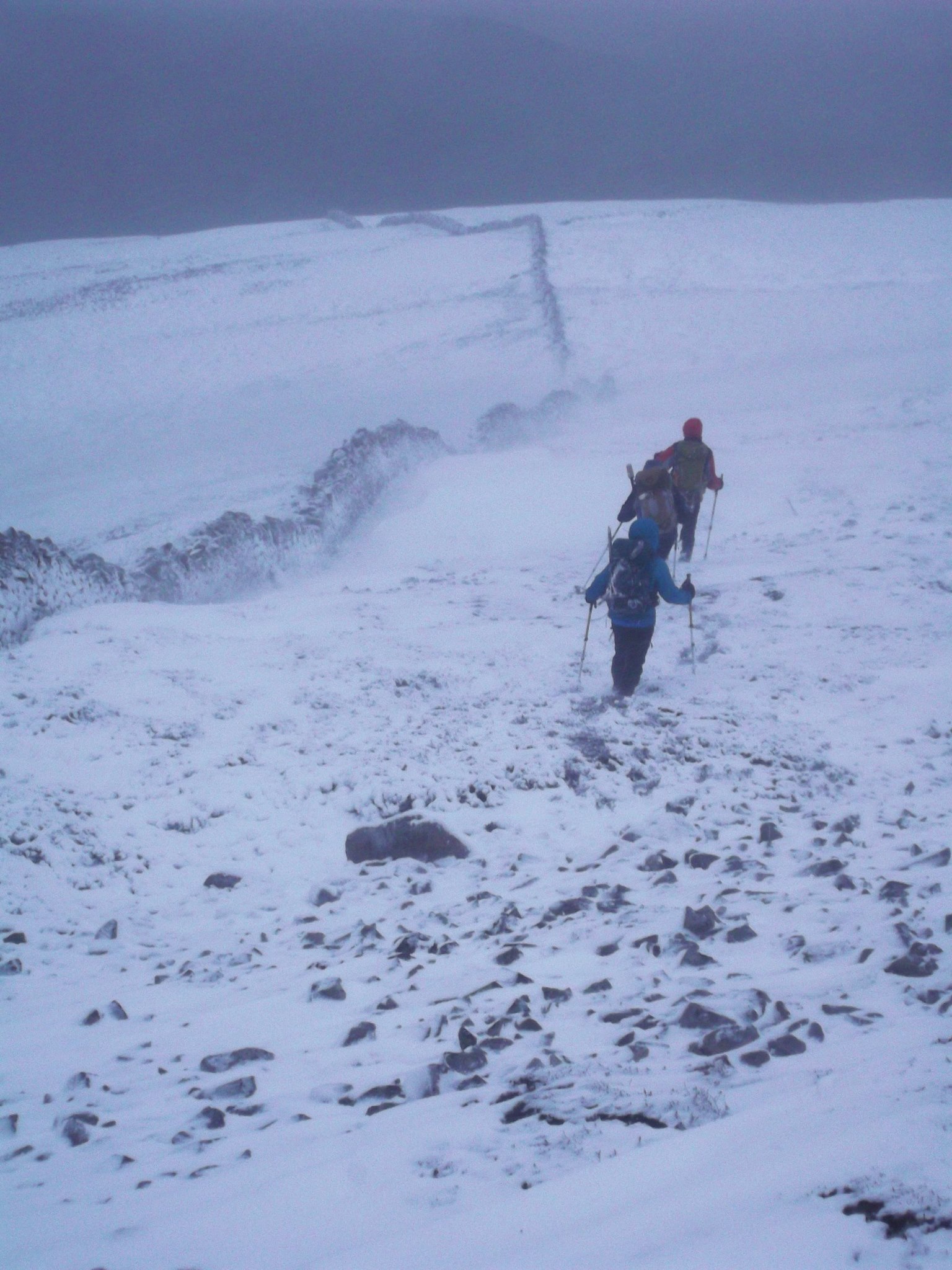

This has led me to read about, study, practise and then put into practice strategies and methods of dealing with fear. Many of my sources are people associated with military and law enforcement but the information they shared is not widely taught or even well understood in those circles. Certainly what I know was not taught to me during my brief stint as a police officer in Aberdeen but I did have ample opportunity to pressure test the theories I had learned. Subsequently I have taken those lessons into the mountains and onto my mountain bike. More lessons were learned there about the importance of being competent and properly equipped and it would be very fair to say that my competence (and confidence) as a police officer far exceeded my competence (and confidence) on a bike to this day! (But that is a topic for a future article…)

The first thing I think we need to understand is that danger and fear are not the same thing and the relationship between the two is not straightforward or linear. I have never considered the mountains to be anything other than dangerous places but I have very rarely felt fear in the hills (except stepping back off the edge for an abseil). There have been times when I have been properly worried about my safety (that time on Liathach when I nearly succumbed to hypothermia can still make me shiver 35 years later) and several more when I have been concerned about others in my party but I have never felt fear as such. On my mountain bike; oh yes! Fear on my bike has seen me grab the brakes without thought – the second time I went head-first over the handlebars I was able to observe the death grip on the brake lever that had led to me landing on my head again – or seen me back off and fail to commit with the inevitable slow-speed off that followed. Fear manifests differently in different people and situations and learning how you respond is important.


I suspect that most of the readers of this blog are not those who feel scared simply by being at the top of a cliff – for actual fear to kick in we need to add in some broken ground, ice and snow, high winds and the like – but I am sure we all know people who are simply terrified by being in a high place. Yet if we (or they) were to stand on a pavement with a four inch kerb no fear would be felt at all. Most would be fine standing on a three foot wall but many would be starting to get twitchy if that wall was six to ten feet above the ground. The risk of falling from a kerb is pretty much the same as falling from a cliff top yet we all know that the perception of risk is very different indeed. (And I wouldn’t be surprised if there have been more injuries and deaths resulting from falls from kerbs than there have been from cliff-tops in recent years.)
My suggestion is that we all take a long, critical and objective look at ourselves when it comes to the situations that provoke us to feel scared. First observe and admit – don’t deny – that fear is present (sometimes the signs are quite subtle) then take time to analyse those feelings. Be honest with yourself. Ask yourself if you are actually in danger or whether you are experiencing an irrational emotion (some of my sources in this field talk about ‘F.E.A.R. – False Emotion/Evidence Appearing Real’) and conduct an objective risk assessment. If danger is present try to quantify it in terms of likelihood and severity of outcome and try to come to rational perspective on what you are feeling. I suggest that this is something best done when you are not in the middle of an epic ridge walk with other people where you have an audience and time pressures to contend with. In fact, you can try doing this from the comfort of your own living room. Imagine yourself into the situation that scares you. Dwell in the feelings it invokes and try to experience the physical sensations as if you were there. It is entirely possible to provoke the physiological feelings of fear (even abject terror) solely by your imagination, that is what horror movies do after all.
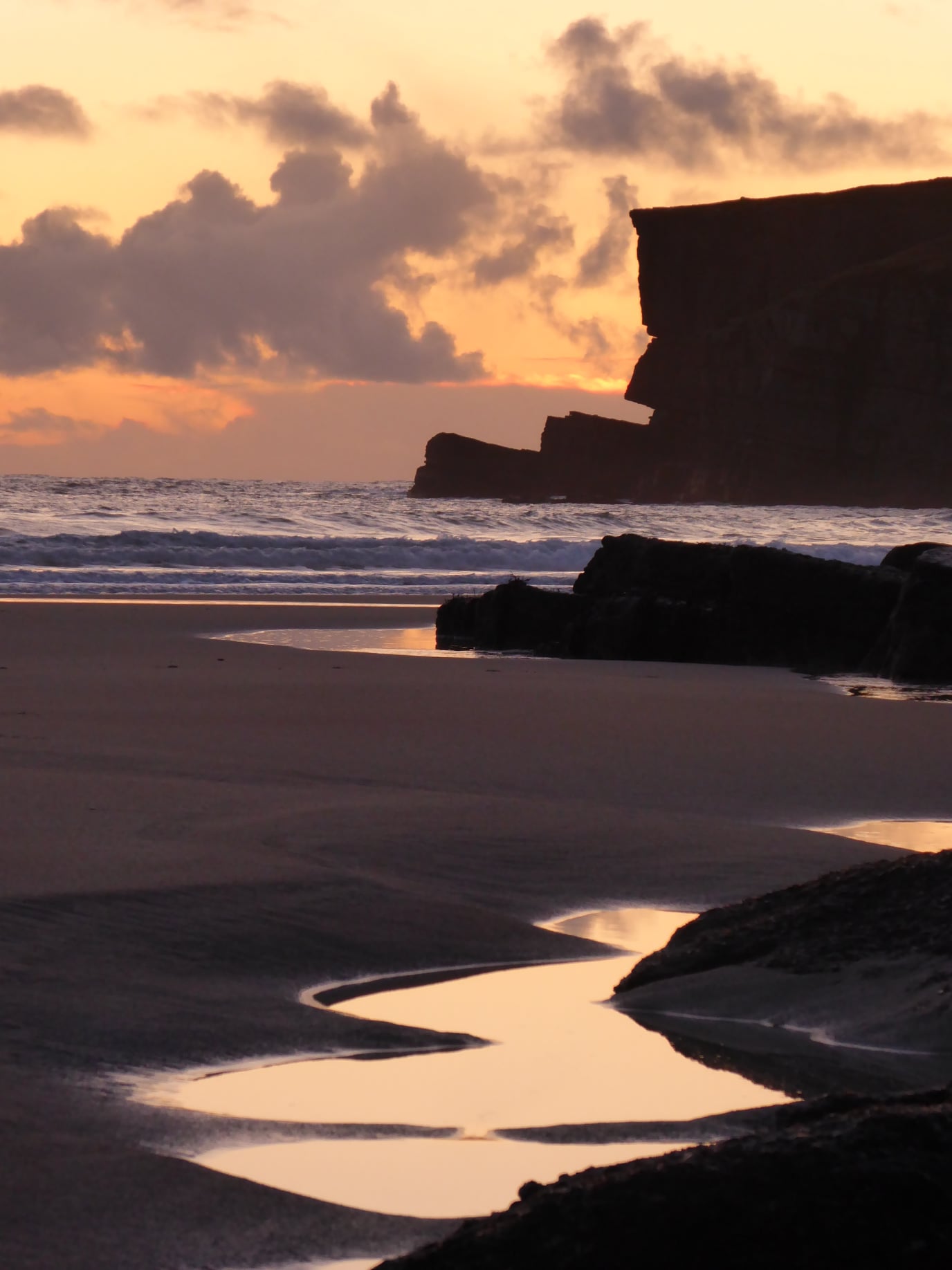
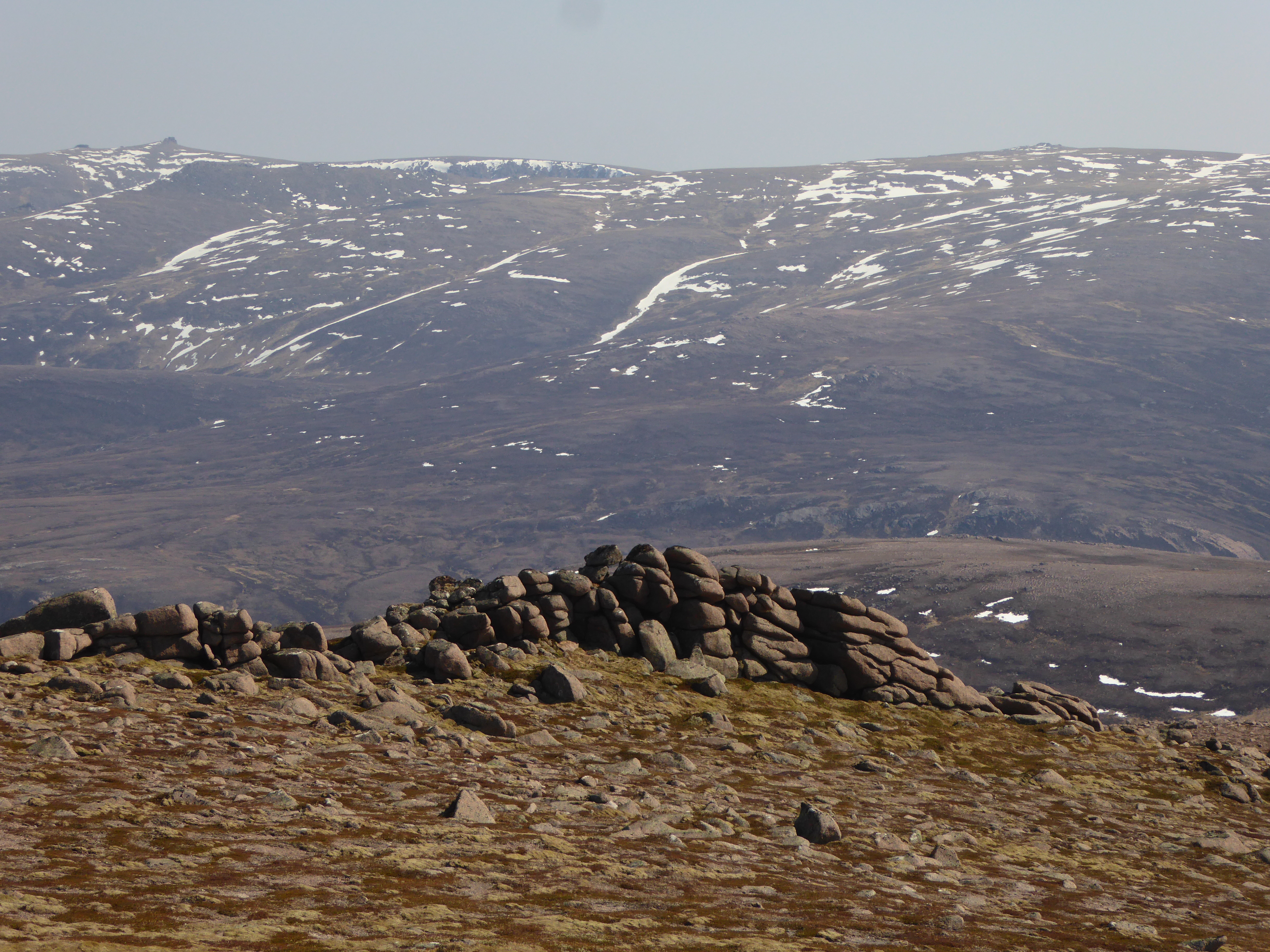
But there is no substitute for actually placing yourself in fear-inducing situations. Find a rock garden, a sea cliff or a boulder filled river and practise moving on the sort of terrain that scares you. Approach it as a training session, not simply as something you have to contend with as part of a longer day out. Take a leaf out of the mountain rescue playbook and go and practise and develop your skills in the hills. They might be setting anchors or learning search patterns but you can be ascending and descending through boulder fields. Rocky coastlines and rivers are great places to find difficult terrain or maybe take yourself up that small, unassuming local hill that can be summited within 30 minutes but has a couple of interesting crags on top. Many hill-goers get sucked into the idea that every day has to be a proper day out with a significant peak (or three) ticked off the list but if you want to improve your skills and reduce your fear then some focused training might just be what you need.

With time and thought you can train yourself to remove irrational fears and dampen down the entirely rational ones to a point that they don’t inhibit your actions. It is absolutely possible to deliberately train your brain to not feel debilitating and inhibiting fear but it won’t necessarily be an easy or enjoyable experience. But then, how much personal growth is there to be found in doing easy things all of the time? And it is not as if any of us enjoy the feeling of abject fear that stops us getting on and experiencing the mountains in all their glory.
There is so much more I can share on this subject but I hope this has been somewhat useful and food for thought to those of you who have read to the end. Until next time, stay safe!
Photos: Jasmin Cameron

@stravaiging_cyclist

 Places Wild and High